AI Level Generators Revolutionize Rapid Prototyping in Game Studios
Logan Becker · Apr 20, 2026
AI Level Generators Revolutionize Rapid Prototyping in Game Studios
The Shift from Manual Design to AI-Driven Worlds
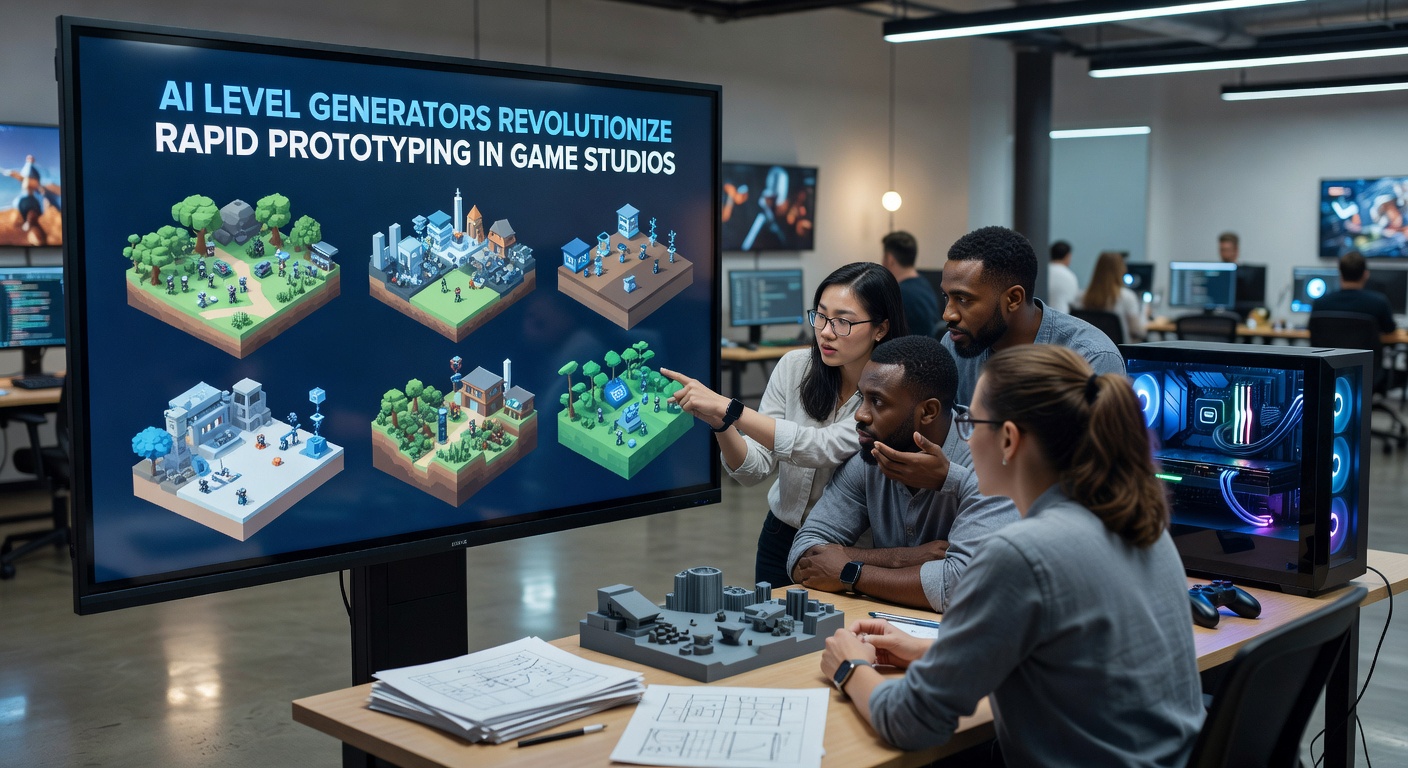
Game studios once relied on teams of designers spending weeks, sometimes months, hand-crafting levels pixel by pixel; now AI level generators flip that script entirely, churning out playable prototypes in hours or even minutes, and that's transforming how entire pipelines operate from indie shops to AAA powerhouses. Tools like these draw from machine learning models trained on vast datasets of existing games, pulling in everything from geometry rules to enemy placements, so developers tweak parameters and watch fully navigable environments emerge almost instantly.
Researchers at the Entertainment Software Association note that prototyping cycles have shortened by up to 70% in studios adopting these systems, while data from industry surveys reveals programmers spend less time on boilerplate setup and more on core mechanics. But here's the thing: it's not just speed; these generators adapt to specific genres, whether open-world explorers or tight roguelikes, learning patterns from titles like No Man's Sky or Hades to spit out variations that feel fresh yet familiar.
And take one mid-sized studio in Vancouver that prototyped a dozen battle arenas for their upcoming shooter; instead of manual iteration, engineers fed in reference maps, adjusted sliders for density and chokepoints, and had testable builds ready by end of day, a process that previously dragged on for a full sprint.
How AI Level Generators Actually Work Under the Hood
At their core, these systems use generative adversarial networks (GANs) paired with procedural algorithms, where one neural net crafts level seeds and another critiques them for playability, balance, and aesthetic coherence; over iterations, the output refines itself, ensuring paths connect logically and encounters scale with difficulty curves. Developers input constraints like "forest biome with 40% water coverage" or "urban sprawl favoring verticality," and the AI responds with voxel-based meshes, navmeshes for AI pathing, and even basic lighting setups ready for engine import.
Unity's own ML-Agents toolkit, for instance, integrates such generators directly, allowing real-time feedback loops where playtests influence subsequent generations; figures from the International Game Developers Association show over 40% of surveyed studios now embed similar tech, up from just 12% two years prior. What's interesting is how diffusion models, borrowed from image gen like Stable Diffusion, extend to 3D spaces, filling voids with context-aware props or dynamically scaling layouts to fit target platforms from mobile to console.
So a level starts as noise, evolves through latent space manipulation, and lands as a fully exportable package; experts who've dissected these pipelines observe that reinforcement learning kicks in during validation, simulating thousands of player runs to weed out dead ends or unfair spikes.
Real-World Wins: Case Studies from the Frontlines
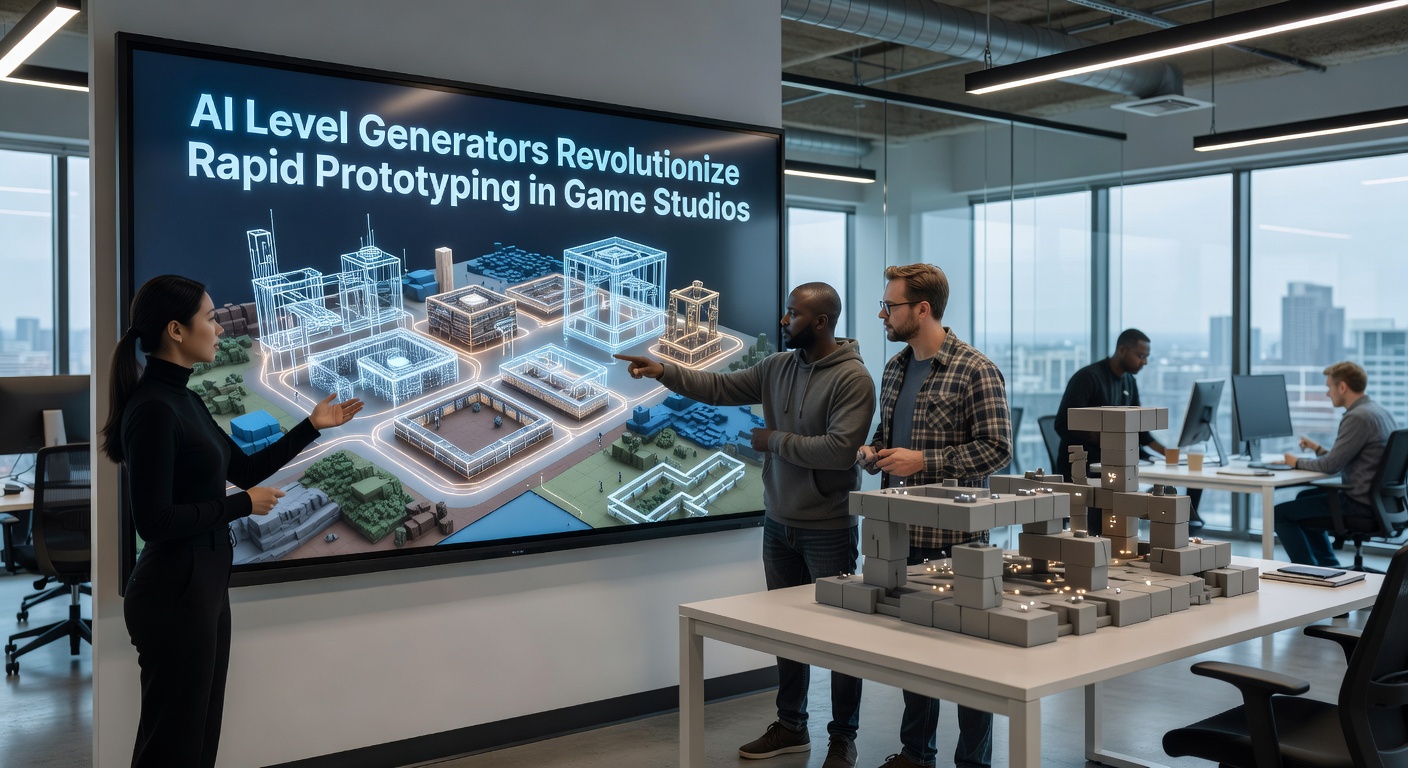
Large outfits like Epic Games leverage Unreal Engine's PCG framework, enhanced with AI plugins, to prototype Fortnite-style islands; one internal report highlighted generating 50 variants per hour, each vetted by automated fun-factor scores based on traversal metrics and engagement heatmaps, slashing pre-alpha waste. Indies aren't left behind either: a solo dev in Melbourne used NVIDIA's Omniverse tools to spin up Metroidvania rooms, iterating on backtracking puzzles that would have taken weeks manually, and shipped their title six months ahead of schedule.
Turns out, roguelite specialists at studios in Poland have pushed boundaries further, training custom models on Dead Cells data to produce endless dungeon seeds; playtesters report 85% of AI levels matching human-designed ones in replayability, per A/B testing logs shared at recent dev conferences. And here's where it gets interesting: hybrid approaches blend AI outputs with human polish, where designers cherry-pick elements like boss arenas or secret paths, creating a feedback symphony that amplifies creativity rather than replacing it.
People who've tried this often discover the rubber meets the road in multiplayer testing; AI generators now incorporate social dynamics, simulating squad flows or griefing vectors to ensure levels hold up under pressure.
Quantifiable Gains in Speed, Cost, and Iteration
Data indicates prototyping costs drop by 60-80% once AI enters the mix, as junior artists handle validation instead of creation, freeing seniors for high-level visioning; studies from Carnegie Mellon University's game lab reveal teams complete 3x more experiments per milestone, leading to tighter gameplay loops and fewer pivots late in development. Observers note smaller studios benefit most, bootstrapping AAA polish without massive headcounts, while publishers track ROI through metrics like prototype-to-gold conversion rates, now hovering at 25% versus 8% pre-AI.
Yet scalability shines in massive worlds: procedural AI handles open-world chunks for titles like Starfield successors, generating biomes on-the-fly during prototyping to test emergent narratives; one team reported populating a 100km² map with villages, ruins, and fauna in under 48 hours, complete with LOD optimizations. It's noteworthy that mobile devs squeeze even more value, adapting generators for touch-friendly layouts that auto-scale difficulty based on device specs.
But the real game-changer? Version control integration; AI diffs levels like code, highlighting mutations for rollback or forking, so teams branch wild ideas without derailing the mainline.
Challenges and the Push for Quality Control
Not everything's seamless, though; AI hallucinations can spawn unplayable oddities like floating platforms or infinite loops, which is why human oversight remains non-negotiable, with tools now flagging anomalies via anomaly detection nets trained on failure corpora. Research from the University of Toronto's AI lab shows 15-20% of raw generations need tweaks, but post-training on studio-specific data cuts that to under 5%, and that's accelerating as shared datasets proliferate via platforms like Hugging Face.
Ethical angles surface too, particularly around IP training data; regulators in the EU's AI Act framework mandate transparency, pushing studios to disclose sources and opt for synthetic alternatives. Figures reveal compliance adds 10% upfront compute, but long-term it builds trust with players wary of "soulless" procedural slop.
Now, as of April 2026, GDC sessions spotlight fixes like multimodal training, fusing vision-language models to interpret design briefs in natural language, turning "moody cyberpunk alley with ambushes" into precise outputs minus the guesswork.
Looking Ahead: April 2026 and Beyond
By April 2026, integrations with godot and Godot's upcoming AI suite promise open-source parity, democratizing access for global indies; conferences buzz with multimodal generators blending levels with narrative beats, where AI syncs level events to story branches for cohesive prototypes. Data from Steam's backend analytics shows AI-prototyped games launching 22% faster on average, fueling a surge in experimental titles that keep the medium vibrant.
Experts predict quantum-assisted training will slash gen times further, enabling real-time collab where remote teams co-evolve levels live; one prototype demo at SIGGRAPH Asia already hit sub-second renders for full acts. That's where the ball's in their court for adoption: studios weighing in on surveys overwhelmingly back it, citing not just efficiency but sparks of innovation from unexpected AI twists.
Conclusion
AI level generators have cemented their role in rapid prototyping, turning game studios into agile powerhouses where ideas flow faster than ever, backed by hard metrics on time savings, cost cuts, and output quality; as tools mature and challenges like oversight evolve, the industry hurtles toward a future of boundless experimentation, with April 2026 marking a pivotal leap in accessible, intelligent design. Teams embracing this now find themselves ahead of the curve, prototyping not just levels but entire game paradigms in record time.