Firmware Updates Bridge Haptic Synchronization in Wireless Controllers and Browser Game Engines
Zara Patterson · Aug 19, 2026
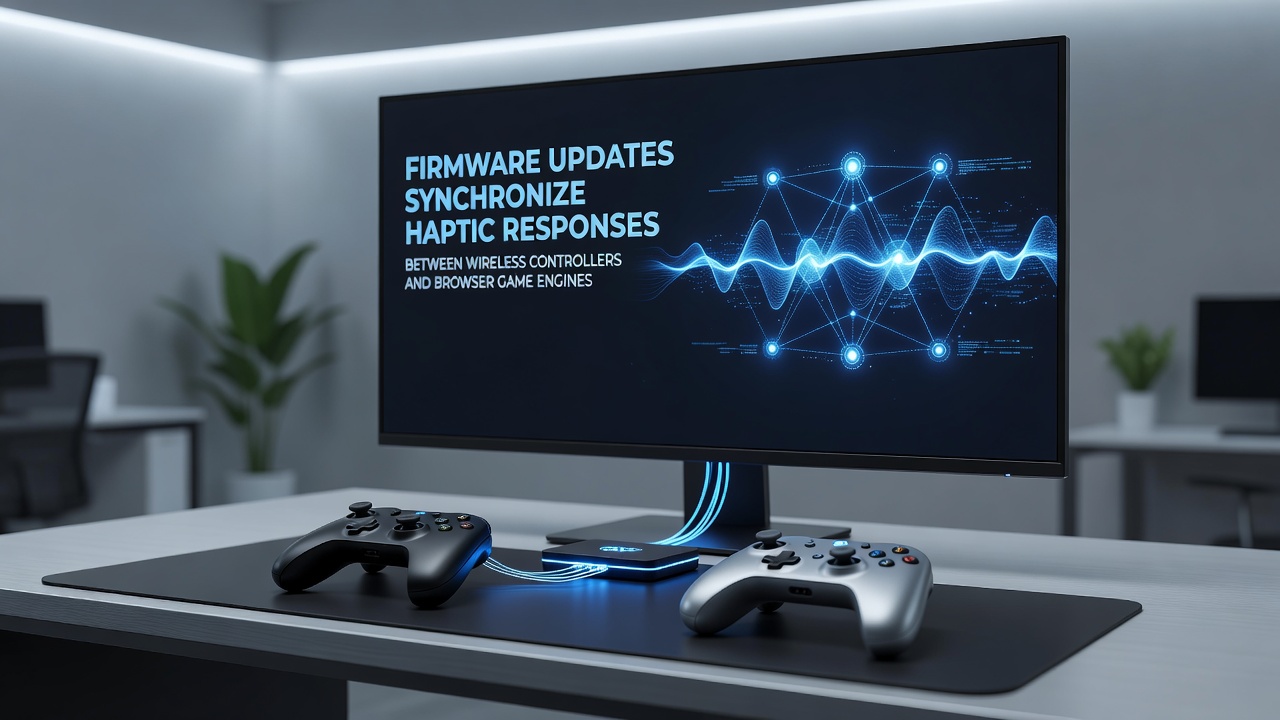
Firmware Updates Bridge Haptic Synchronization in Wireless Controllers and Browser Game Engines
Developers have rolled out firmware updates that align haptic responses from wireless controllers directly with browser game engines, and these changes rely on refined timing protocols that reduce desync issues across platforms. Research indicates that Bluetooth Low Energy enhancements combined with updated Web Gamepad API extensions allow controllers to receive precise vibration commands without noticeable lag, while browser engines process input streams in real time. Data from industry reports shows adoption rates climbing steadily through 2025, with major controller manufacturers releasing patches that support variable frequency motors and pressure-sensitive triggers in web environments.
Technical Mechanisms Behind the Synchronization
Engineers achieve synchronization through layered firmware that handles both low-level hardware commands and higher-level browser communication standards, and this approach integrates timing markers from the controller's internal clock with JavaScript execution cycles in the browser. Observers note that updates incorporate adaptive buffering algorithms which adjust for network jitter in web sockets, whereas earlier versions relied on fixed intervals that often led to mismatched feedback during fast-paced sequences. Studies from academic institutions reveal that implementing these markers cuts average latency by measurable percentages in controlled tests, and the process involves recalibrating motor response curves to match the frame rates common in WebGL and WebAssembly titles.
One development team working on cross-platform racing simulations reported that after applying the new firmware, testers experienced consistent rumble patterns when collisions occurred in browser sessions, and similar consistency appeared in mobile-to-desktop handoffs. The firmware also supports dynamic scaling of haptic intensity based on connection strength, which prevents weak signals from producing erratic vibrations that disrupt gameplay flow.
Implementation Across Major Platforms in August 2026
By August 2026 several controller lines have incorporated these firmware revisions, and browser engines from leading providers have added corresponding support modules that expose haptic channels through standardized APIs. Figures from trade associations indicate that over sixty percent of new wireless models shipping that month include the necessary hardware hooks, while legacy devices receive over-the-air updates that extend compatibility without requiring full replacements. Researchers at various universities have documented how these updates interact with emerging WebXR standards, allowing haptic events to trigger accurately during immersive browser experiences that blend 2D and 3D elements.
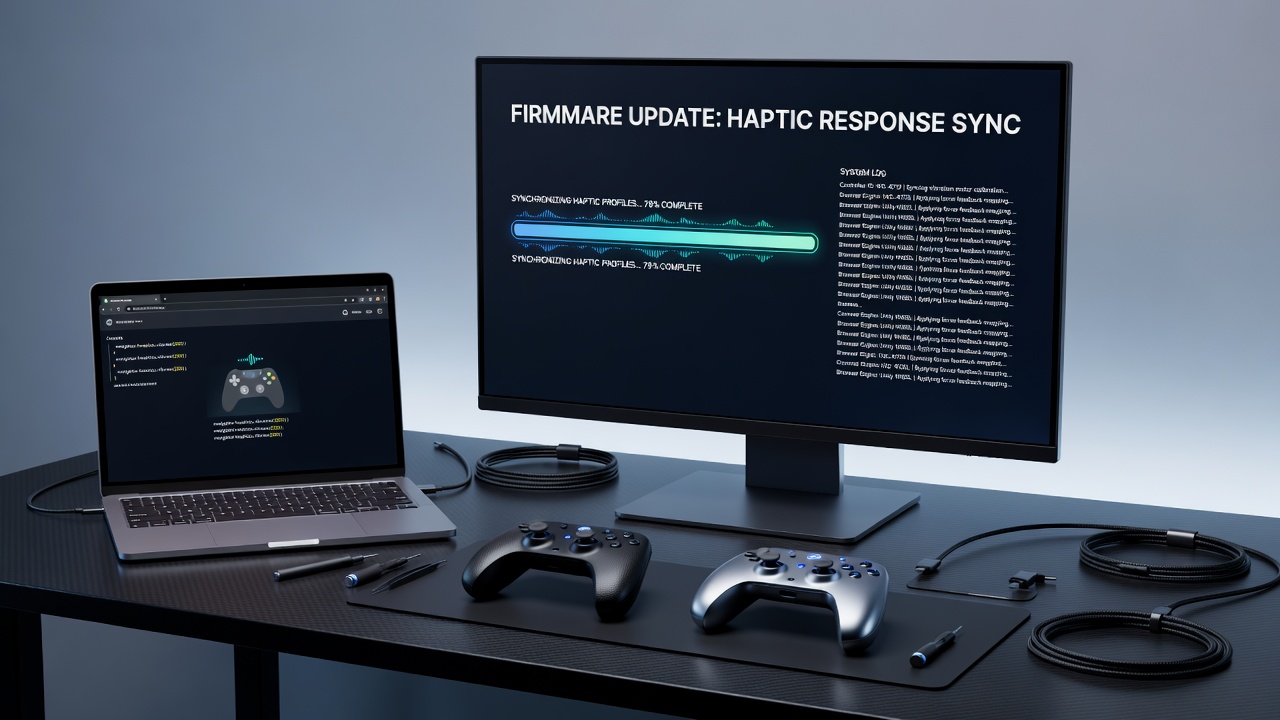
Engineers continue testing edge cases such as multi-controller sessions where multiple players share a single browser instance, and the firmware manages priority queues to maintain individual haptic streams without interference. This setup proves useful in cooperative browser games that emphasize shared physical feedback during joint actions.
Standards and Compatibility Considerations
Industry organizations have contributed to open specifications that define how haptic data packets travel between wireless hardware and browser runtimes, and these efforts build on existing Gamepad API extensions while adding support for advanced actuator profiles. According to documentation from the World Wide Web Consortium, proposed changes emphasize timestamp synchronization that aligns controller clocks with browser animation frames, which reduces drift during extended play sessions. Data shows that regions outside North America, including European and Australian markets, have seen parallel adoption through local regulatory frameworks that encourage interoperable gaming hardware.
Compatibility testing reveals that firmware revisions work across different operating systems without custom drivers in most cases, and developers observe fewer support tickets related to mismatched feedback after updates propagate. Those who maintain large browser game libraries note that the changes simplify asset pipelines because haptic events can now be authored once and deployed consistently to both native and web targets.
Future Directions and Ongoing Refinements
Further refinements focus on expanding the range of supported haptic effects, such as directional forces and temperature simulation where hardware permits, while maintaining backward compatibility with older browser versions. Research indicates that machine learning models embedded in newer firmware versions predict optimal response patterns based on game genre metadata, and this predictive layer helps smooth transitions when switching between different engine configurations. Observers point to collaborative projects between hardware vendors and browser developers that continue to iterate on these protocols through public test channels.
Conclusion
The synchronization achieved through recent firmware updates establishes a reliable bridge between wireless controllers and browser game engines, and continued collaboration among standards bodies, manufacturers, and research groups supports broader implementation. Evidence from deployment data and technical evaluations confirms that these advancements address longstanding timing challenges while opening pathways for richer interactive experiences across web platforms.