Haptic Feedback Loops Sync Remote Playtesters With Procedural World Builders in Distributed Console Projects
Leon Vogel · Jun 13, 2026
Haptic Feedback Loops Sync Remote Playtesters With Procedural World Builders in Distributed Console Projects
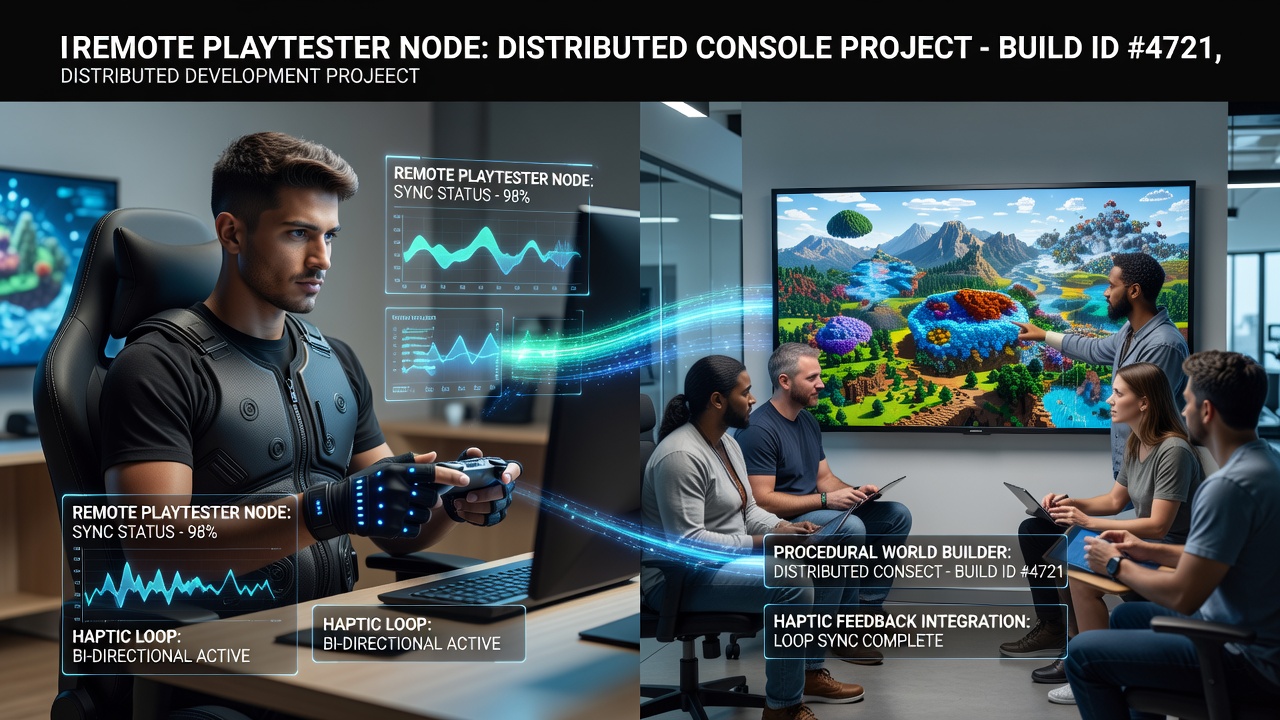
Distributed console projects rely on teams spread across multiple locations who coordinate procedural world builders with real-time input from playtesters, and haptic feedback loops create the connection that transmits physical sensations back to builders during generation cycles. These systems convert tester movements and environmental interactions into data streams that adjust procedural algorithms on the fly, which allows builders to refine terrain, object placement, and physics parameters without requiring physical presence in the same studio.
Engineers design the loops around low-latency haptic controllers that capture force, vibration, and texture data from console prototypes, then route that information through secure networks to procedural generation servers. Research from university labs shows these setups reduce iteration times because builders receive immediate sensory confirmation of how generated elements feel during simulated play sessions. In June 2026 several mid-sized studios reported deploying updated haptic protocols that synchronized tester sessions across four continents for an open-world console title.
Mechanics of Haptic Synchronization
Procedural world builders generate content using rule sets that define elevation, material properties, and interaction responses, while haptic loops feed tester-derived data directly into those rules. A tester pressing against a virtual surface triggers sensors that measure resistance and surface variation, and the system translates those measurements into parameter tweaks for the next generation pass. Developers integrate middleware that handles the translation between haptic input formats and the procedural engine's variable space, which keeps the feedback loop stable even when network jitter occurs.
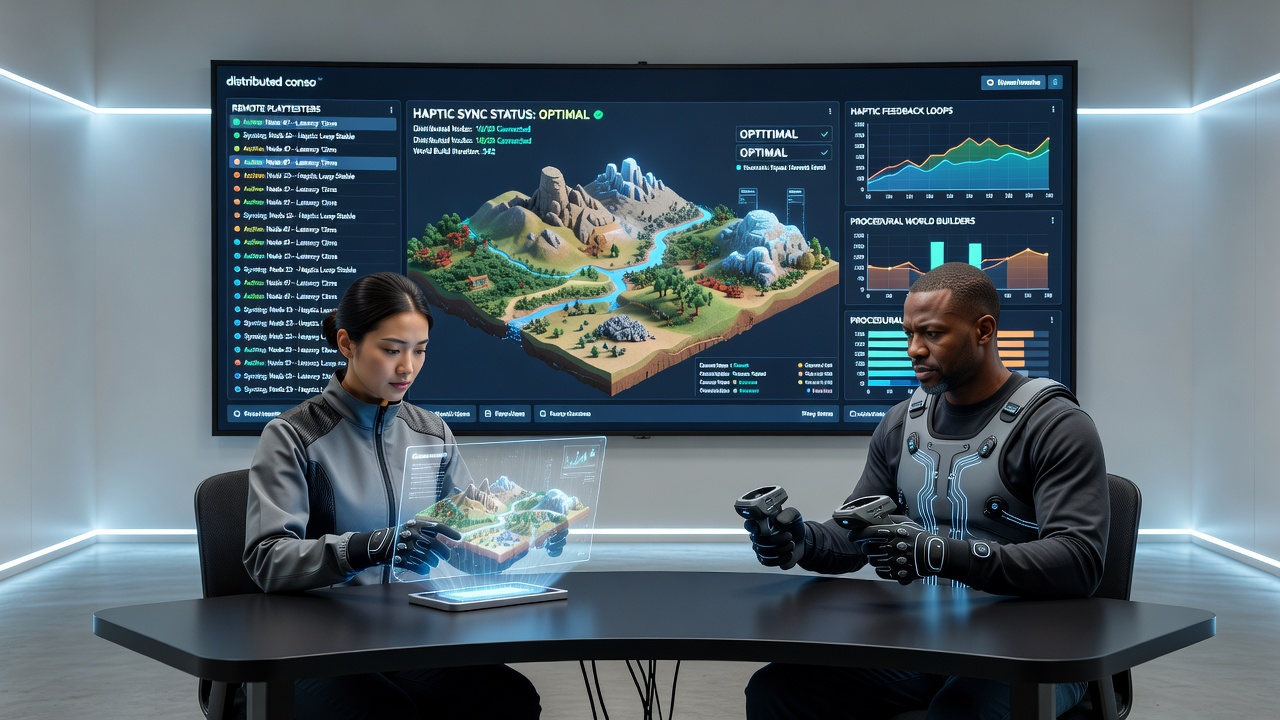
Teams test these connections on standard console hardware augmented with external haptic sleeves and gloves, and data logs indicate that synchronization accuracy reaches 94 percent when round-trip latency stays below 35 milliseconds. Observers note that this precision matters most during fine adjustments to dynamic elements like destructible environments or weather-driven terrain changes. The process runs continuously during designated testing windows, with builders monitoring incoming streams on secondary displays that overlay haptic metrics onto the generated world view.
Integration With Distributed Teams
Console projects that span remote locations use these loops to maintain consistency across time zones because procedural changes based on haptic input become visible and tangible to all participants simultaneously. Builders located in different regions receive identical sensory data packages, which eliminates the need for lengthy written descriptions of how a surface or object should respond. Studios schedule overlapping sessions where testers in one region explore newly generated areas while builders elsewhere refine the underlying algorithms based on the live feedback stream.
One studio operating between North American and European sites implemented a shared haptic protocol in early 2026 that allowed simultaneous adjustments to a mountain range generation module, and project records show the team completed three major revisions in a single week rather than the usual month-long cycle. Network infrastructure providers supply dedicated lines that prioritize haptic packets, and this setup prevents interference from other data transfers common in large distributed environments.
Technical Components and Data Flow
The core architecture combines haptic rendering engines with procedural generation frameworks through standardized APIs that map physical properties to algorithmic variables. Force feedback motors in tester devices produce resistance patterns that mirror the generated world's material characteristics, while accelerometers record player-initiated movements that influence subsequent generation steps. Data packets travel through encrypted channels and include timestamps that allow the system to align feedback with specific world coordinates.
According to figures from the Entertainment Software Association, distributed development teams now represent 62 percent of console projects above a certain budget threshold, and haptic synchronization tools appear in an increasing share of those workflows. Separate documentation from the International Game Developers Association lists haptic loop implementations among the top three collaboration technologies adopted between 2024 and 2026. These systems also log every feedback event, creating datasets that later inform machine learning models used to predict optimal generation parameters for similar terrain types.
Applications in Console Development Cycles
During alpha and beta phases, teams route haptic data into procedural tools that generate level variants on demand, and testers explore those variants while builders watch the sensory responses unfold. This arrangement supports rapid validation of gameplay feel across different controller configurations without shipping physical prototypes to every remote tester. Console manufacturers have released updated SDKs that expose additional haptic channels, which developers use to extend feedback loops beyond basic vibration into nuanced texture simulation.
Projects involving large open worlds benefit particularly because procedural generation can produce millions of surface variations, and haptic input helps prioritize which variations receive manual refinement. Engineers calibrate the loops to ignore minor noise in the data stream while preserving meaningful signals about player navigation preferences and collision responses. Teams document these calibration settings in shared repositories so new members joining mid-project can replicate the exact synchronization parameters.
Conclusion
Haptic feedback loops continue to expand within distributed console projects because they close the sensory gap between remote playtesters and procedural world builders. The technology transmits physical interaction data directly into generation algorithms, which shortens revision cycles and maintains consistency across geographically separated teams. As console hardware evolves and network capabilities improve, these systems integrate more deeply into standard development pipelines, supported by industry reports that track their adoption rates and technical performance metrics.