Machine Learning Models Optimize Transitions from Desktop Prototyping to Mobile VR Deployment
Logan Becker · Aug 12, 2026
Machine Learning Models Optimize Transitions from Desktop Prototyping to Mobile VR Deployment
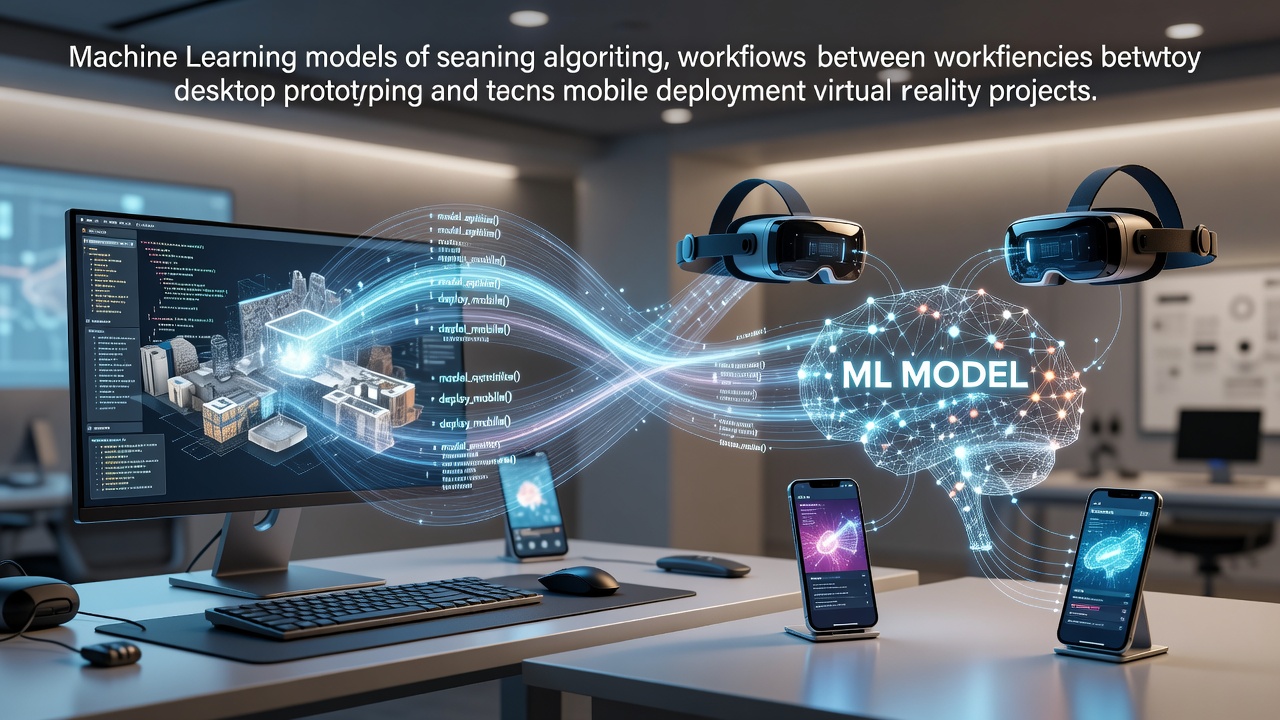
Virtual reality projects often begin with detailed desktop prototyping sessions before shifting to mobile deployment phases, and machine learning models have started to handle key steps in that handoff process. Researchers track these efficiencies through metrics such as iteration cycles, asset conversion times, and cross-platform consistency scores, with data collected from development studios active through mid-2026. One study released in August 2026 by the University of Tokyo's Virtual Reality Laboratory documented reductions in manual code adjustments during the move from high-end desktop environments to mobile headsets.
Desktop prototyping tools typically generate complex geometry and physics simulations that exceed mobile hardware limits, yet machine learning algorithms now predict which elements require simplification. Those algorithms analyze past project datasets to flag polygons, textures, and scripts that would cause frame rate drops once ported. Engineers apply the resulting recommendations before export begins, which shortens the testing loop that previously required repeated device-specific builds.
Core Mechanisms in Workflow Integration
Training datasets for these models draw from thousands of completed VR titles archived by industry repositories. The models learn patterns in shader performance across graphics APIs, then generate mobile-compatible variants automatically during the prototyping stage. Observers note that this approach replaces earlier manual retargeting steps that consumed entire days per asset batch.
Integration occurs through plugin layers added to common engines, where the machine learning component runs in the background while designers adjust scenes. When a change occurs on the desktop side, the system recalculates mobile performance estimates within seconds and highlights potential issues in the interface. This real-time feedback loop keeps both versions synchronized without separate teams maintaining parallel codebases.
Data Flow Between Platforms
Asset pipelines now include intermediate checkpoints where models evaluate memory footprints and thermal loads expected on mobile silicon. Figures from a 2025 industry report by the Canadian Digital Media Network show average savings of 18 hours per project milestone when these checkpoints operate continuously. The same report tracks error rates dropping as models accumulate more project-specific training data over successive releases.
Deployment scripts triggered after prototyping incorporate mobile-specific optimizations such as dynamic resolution scaling and simplified lighting models. Machine learning components predict which scaling thresholds maintain visual fidelity while meeting power constraints on battery-operated headsets. Developers review the predictions through dashboards rather than running exhaustive battery drain tests for every build variation.
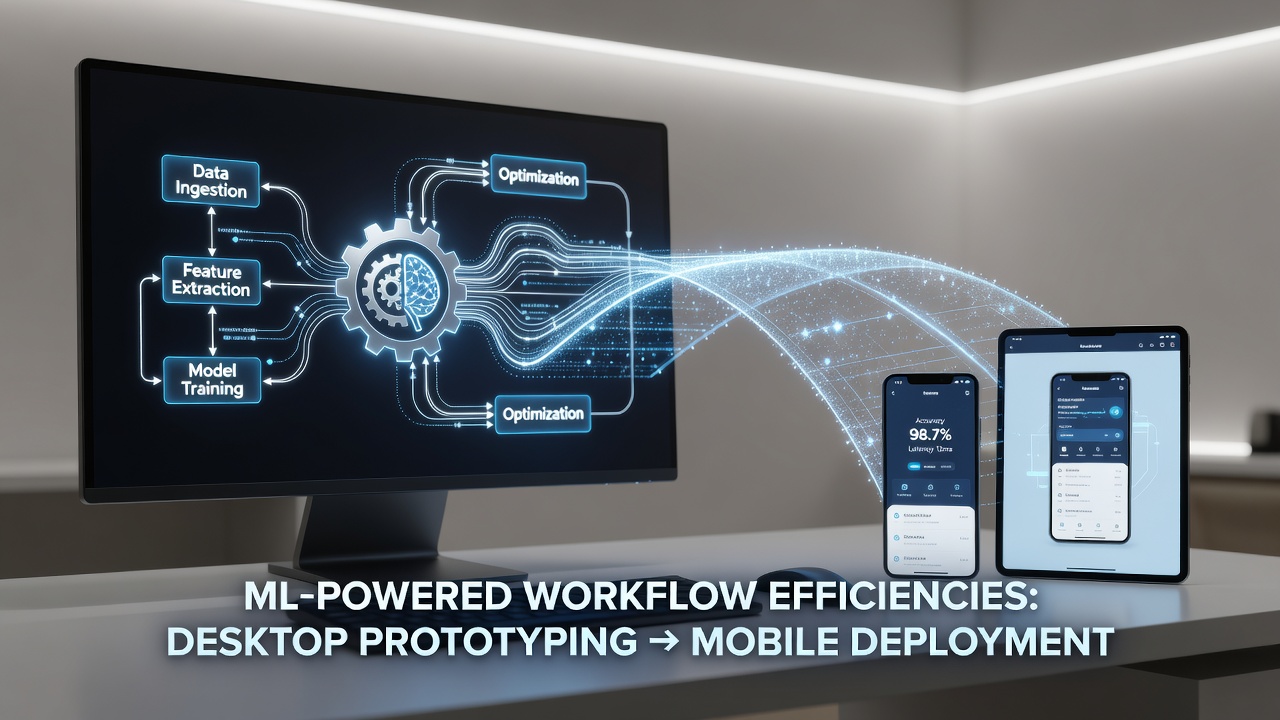
Collaboration between desktop and mobile teams benefits when shared model outputs replace duplicated documentation. Version control systems log both the original prototype parameters and the machine learning adjustments, creating traceable histories that assist future audits or platform updates. Studios operating across multiple time zones report fewer miscommunications because the automated suggestions carry explicit rationale derived from the training data.
Implementation Patterns Observed in 2026
By August 2026 several studios had adopted hybrid pipelines where machine learning handles the bulk of cross-platform translation while human reviewers retain final approval on artistic direction. The models flag deviations from established visual targets rather than enforcing rigid rules, which preserves creative control during rapid iteration phases. Training updates occur quarterly using anonymized performance logs contributed by participating developers under standardized data-sharing agreements.
Edge cases still require manual intervention, particularly when projects introduce novel interaction mechanics that fall outside existing datasets. In those situations the models defer to engineers and incorporate the new outcomes into subsequent training rounds. This feedback mechanism gradually expands coverage without disrupting ongoing schedules.
Academic sources such as proceedings from the IEEE Virtual Reality Conference detail similar incremental improvements across independent teams. Those records indicate consistent gains in deployment speed once initial model calibration completes, usually within the first two project cycles.
Conclusion
Machine learning models continue to reduce friction points that once separated desktop prototyping from mobile VR deployment. The documented workflow efficiencies arise from automated prediction, real-time synchronization, and iterative training that incorporates live project data. Continued accumulation of cross-platform performance records supports further refinement of these systems through the latter half of 2026 and beyond.