Modular Input Frameworks Unlock New Accessibility Layers in Indie VR Gaming Ecosystems
Logan Becker · Jul 8, 2026
Modular Input Frameworks Unlock New Accessibility Layers in Indie VR Gaming Ecosystems
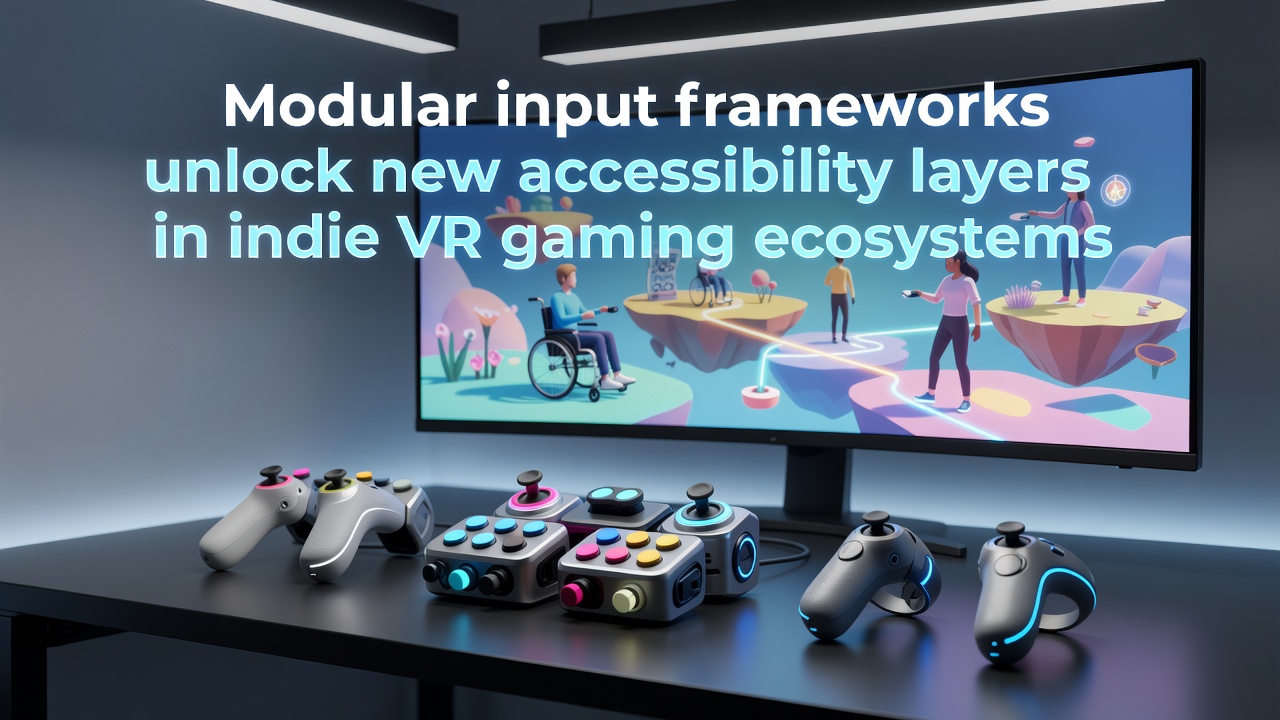
Modular input frameworks allow indie VR developers to build customizable control systems that adapt to diverse player requirements, adn these frameworks integrate hardware components with software layers to support varied interaction styles. Data from industry reports shows that such systems reduce development time for accessibility features by enabling reusable input modules across multiple titles.
Core Components of Modular Input Frameworks
These frameworks consist of standardized interfaces that connect physical controllers, motion sensors, and eye-tracking devices to game engines, while developers assemble modules for specific functions like movement, object manipulation, or menu navigation. Research indicates that this approach supports integration with existing VR headsets without requiring custom hardware builds for each project.
One studio that adopted these frameworks reported seamless mapping of alternative inputs such as sip-and-puff devices or adaptive joysticks, and the modular design lets teams swap components based on user testing feedback during production cycles. Figures from developer surveys reveal increased adoption rates among smaller teams that previously lacked resources for full accessibility overhauls.
Accessibility Advancements in VR Titles
Accessibility layers emerge when frameworks separate input logic from core gameplay mechanics, which allows players with motor impairments or visual limitations to select preset configurations or create personal mappings. Studies conducted by academic institutions have documented how these adjustments improve session durations and completion rates in narrative-driven VR experiences.
Observers note that features such as scalable gesture sensitivity and voice-command overlays become standard additions once the underlying framework is in place, and this standardization reduces the need for post-launch patches dedicated solely to accessibility compliance. In July 2026 several indie releases incorporated these layers at launch following updates to open-source toolkits shared across development communities.
Integration Patterns Across Indie Ecosystems
Indie teams combine modular frameworks with cross-platform engines to maintain consistent input behavior between standalone headsets and tethered PC setups, and this consistency proves valuable when distributing titles through multiple storefronts. Data shows that shared module libraries cut down on platform-specific testing hours while preserving performance on lower-powered devices.
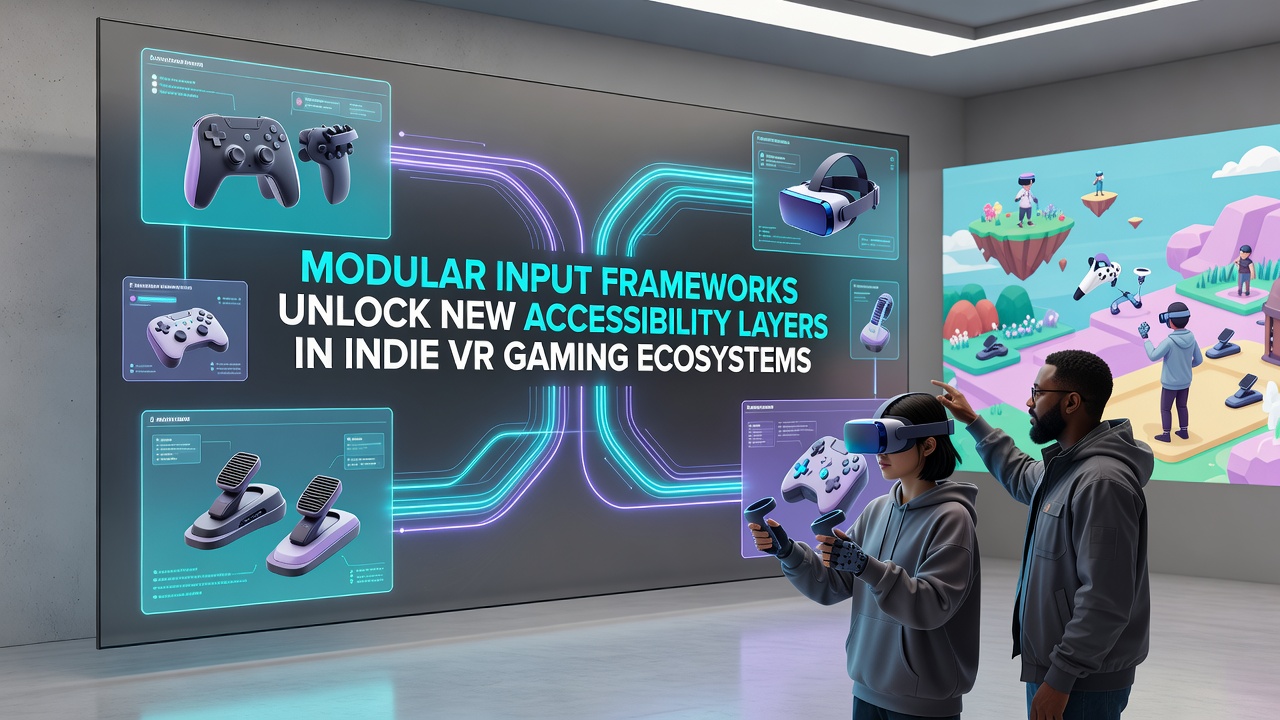
There's this case where experts found that frameworks supporting dynamic remapping enabled rapid iteration for titles aimed at educational or therapeutic applications, and the same modules later transferred to entertainment-focused projects with minimal additional coding. According to the International Game Developers Association guidelines, these practices align with broader industry efforts to expand audience reach.
Technical Implementation and Standards
Engineers deploy plugin architectures that expose input parameters through visual scripting tools, which lets non-programmers adjust accessibility settings during playtesting phases. Research from distributed studio networks highlights how version control for individual modules prevents conflicts when multiple contributors work on the same project simultaneously.
But here's the thing: compatibility layers built into the frameworks handle legacy controller protocols alongside newer sensor arrays, and this backward support extends the usable lifespan of earlier VR hardware in indie productions. Reports from research institutions in the Asia-Pacific region indicate growing contributions to open standards that define module interfaces for future hardware generations.
Community and Collaboration Effects
Shared repositories of input modules foster collaboration among geographically dispersed developers, and contributors upload tested configurations for common accessibility scenarios that others can fork and refine. Evidence suggests that this collective resource pool accelerates feature parity between large-studio releases and indie offerings.
One study revealed that teams participating in these exchanges completed accessibility audits faster than isolated groups, while maintaining creative control over game-specific mechanics. The frameworks also facilitate partnerships with assistive technology manufacturers who supply specialized hardware modules for integration testing.
Conclusion
Modular input frameworks continue to reshape how accessibility features enter indie VR titles by providing reusable building blocks that address varied player needs. Data from ongoing adoption trends points to sustained growth in titles that ship with flexible input options from day one, supported by evolving standards and shared development resources. These systems maintain technical flexibility while meeting expanding expectations for inclusive design across the ecosystem.