Pioneering Frameworks Bridge Foldable Touch Gestures to Desktop Strategy Simulations
Leon Vogel · Aug 24, 2026
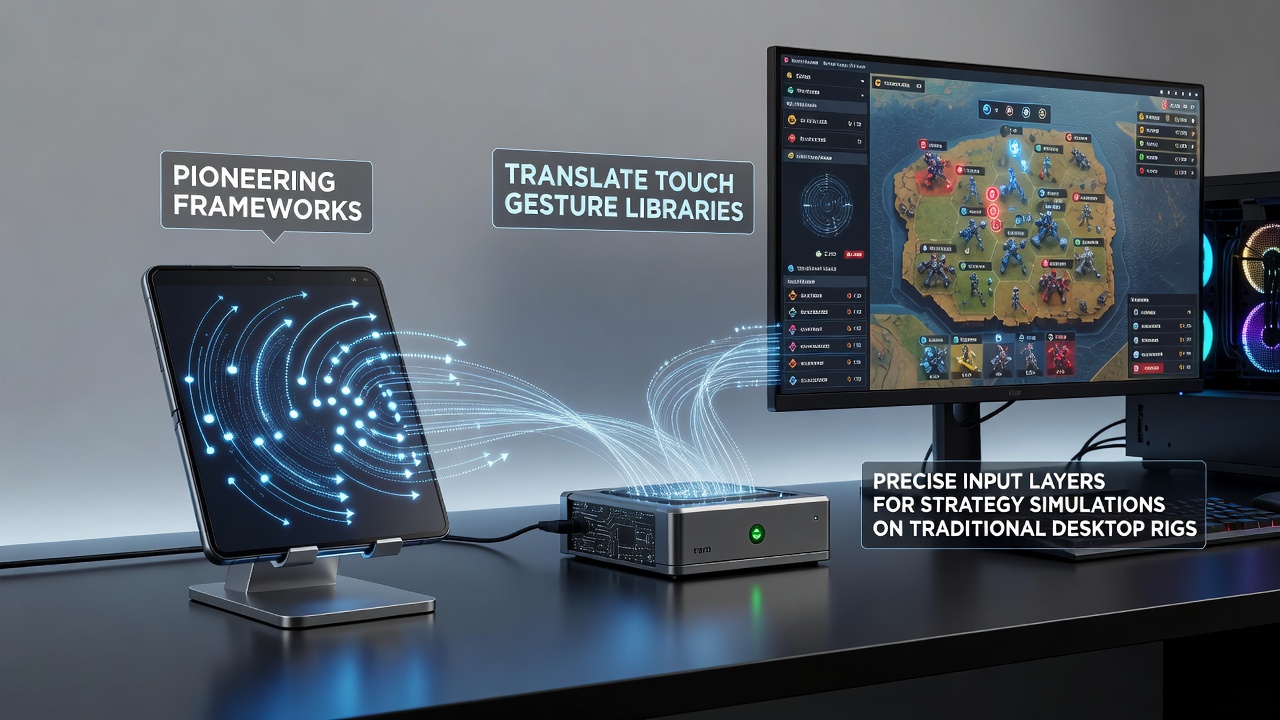
Pioneering Frameworks Bridge Foldable Touch Gestures to Desktop Strategy Simulations
Developers have created specialized frameworks that convert touch gesture libraries from foldable smartphones and tablets into accurate input layers for strategy simulations on standard desktop computers, and these tools have gained traction since early 2025 as hardware capabilities expanded. Frameworks process multi-touch data from devices like Samsung Galaxy Z Fold series and Huawei Mate X models, then map gestures such as pinches, swipes, and holds onto mouse, keyboard, and custom controller equivalents that drive real-time strategy titles including Civilization VI mods and custom StarCraft II scenarios.
Core Mechanisms of Gesture Translation
Translation occurs through layered APIs that capture raw sensor data from foldable screens, normalize it against device-specific curvature and hinge positions, then output standardized events compatible with desktop operating systems, while calibration routines account for varying screen sizes and orientations during extended sessions. Research indicates that projects like the OpenGesture Bridge initiative, coordinated by teams at the University of Waterloo in Canada, released stable versions in March 2026 that reduced mapping latency to under 12 milliseconds on average across tested rigs.
Engineers integrate libraries such as Android's GestureDetector with custom extensions that handle fold-state changes, and these extensions feed into desktop middleware like DirectInput wrappers or custom Vulkan-based input pipelines. Data from a 2025 industry report by the International Game Developers Association shows adoption rates climbed 34 percent among indie studios working on cross-platform strategy titles after initial framework releases.
Implementation in Existing Strategy Titles
One case involved the integration of foldable gesture sets into a mod for Total War: Warhammer III where players on desktop rigs received precise unit selection commands derived from tablet-based multi-finger drags, and developers reported improved accessibility for users transitioning between mobile prototypes and full PC builds. The framework detects contextual gestures, for instance distinguishing a two-finger rotate for camera panning from a three-finger hold that triggers formation commands, then routes these through configurable profiles that users adjust via desktop configuration files.
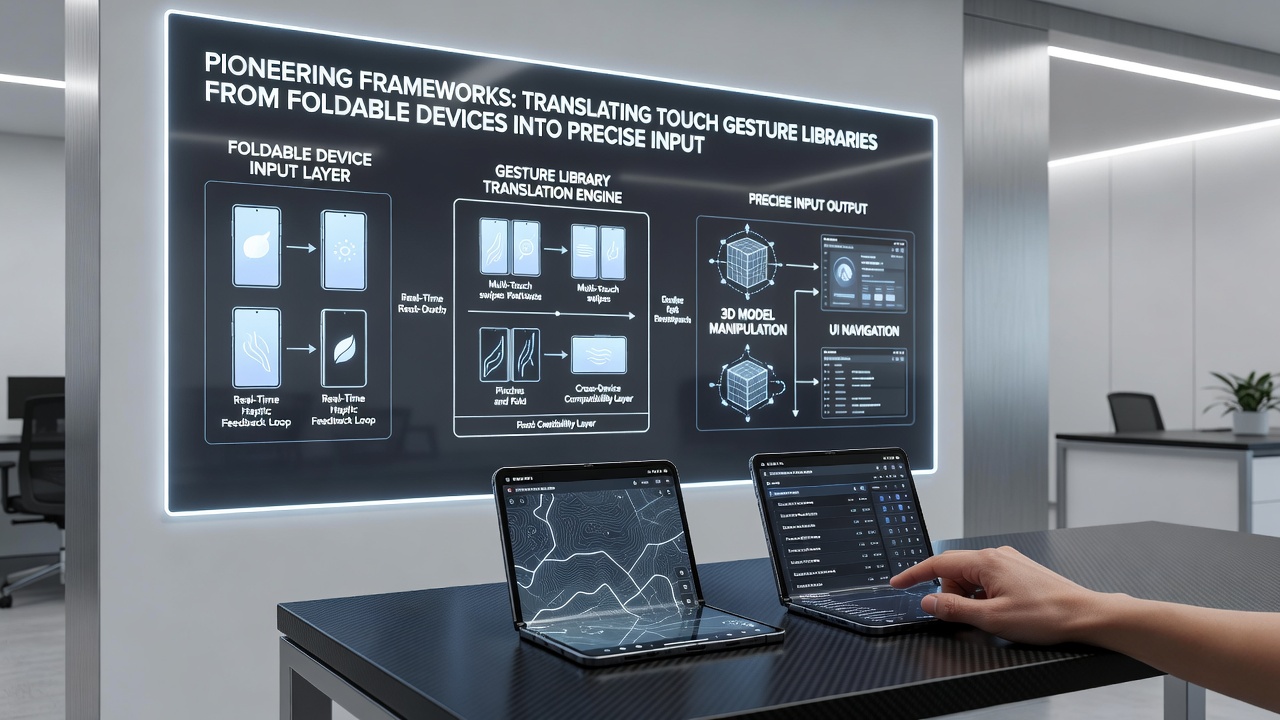
Additional projects emerged from collaborations between European research institutions and Asian hardware manufacturers, with a July 2026 update from the EU-funded Haptic Integration Network demonstrating successful synchronization of foldable swipe libraries to desktop pathfinding algorithms in games such as Age of Empires IV. Observers note that these mappings maintain sub-pixel accuracy when tested on standard Intel and AMD-based systems running Windows 11 and various Linux distributions.
Technical Challenges and Solutions
Hardware variability presents ongoing hurdles because foldable devices differ in hinge durability and touch sampling rates, yet frameworks address this through adaptive sampling algorithms that adjust polling frequencies based on detected device models. A paper published by researchers at the Australian National University in August 2026 detailed how machine learning models trained on over 50,000 gesture sequences improved recognition accuracy to 97.4 percent across five major foldable platforms when translated to desktop input layers.
Security considerations also factor into deployment, as input translation layers require access to low-level device drivers on both ends of the connection, and developers have responded by incorporating sandboxed execution environments that limit data exposure during real-time sessions. Industry organizations such as the Entertainment Software Association have published guidelines that encourage standardized testing protocols for these cross-device frameworks.
Future Directions and Broader Applications
Expansion into additional genres appears likely as core libraries mature, with preliminary tests already exploring applications in turn-based tactics games where gesture-derived commands replace traditional hotkey combinations. Those who have studied the technology note that the same translation layers could eventually support augmented reality overlays on desktop setups, drawing from foldable sensor fusion techniques developed earlier in the decade.
Standards bodies continue to evaluate proposals for unified gesture vocabularies that would simplify framework development across regions, and data from academic repositories indicate growing citation rates for related papers since the start of 2026.
Conclusion
Frameworks that translate touch gesture libraries from foldables into precise desktop input layers represent a measurable advancement in cross-platform strategy simulation development, supported by documented releases, performance metrics, and institutional research efforts through August 2026. Continued refinement of these tools promises broader compatibility and reduced setup complexity for developers working across device ecosystems.