Shared Scripting Languages Enable Mod Crossovers Between Handheld and Desktop Titles
Zara Patterson · Jun 15, 2026
Shared Scripting Languages Enable Mod Crossovers Between Handheld and Desktop Titles
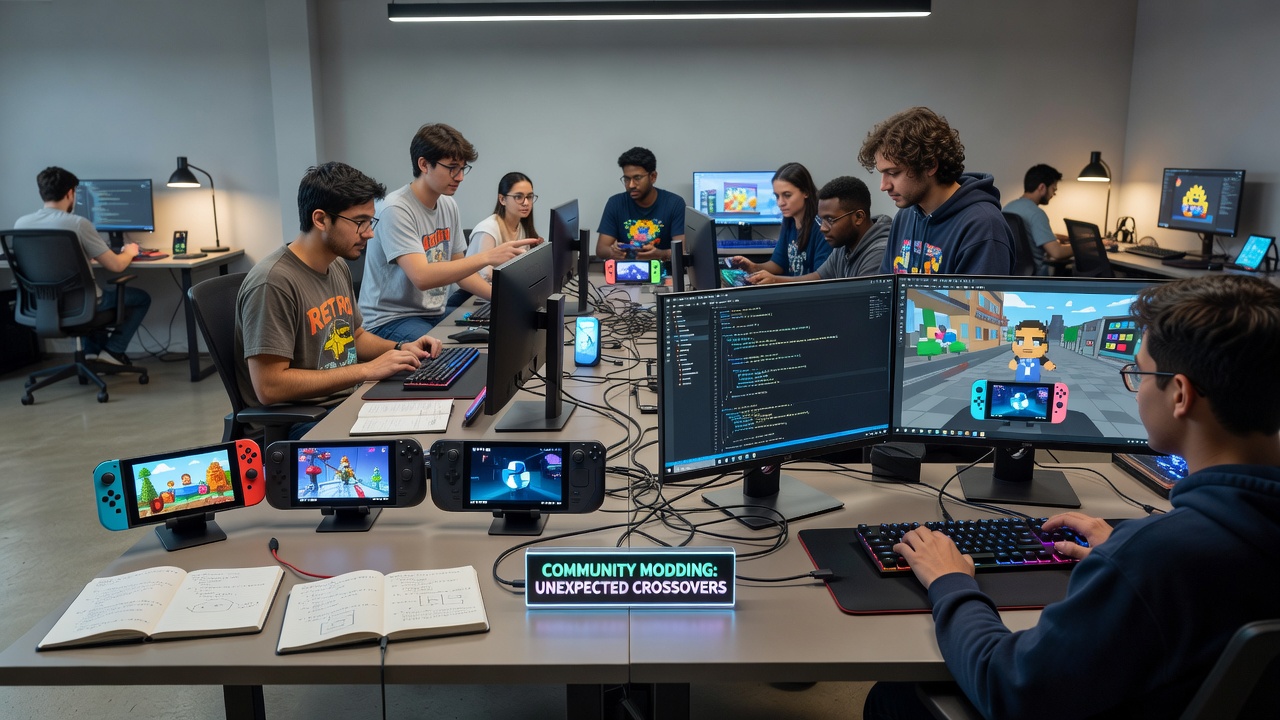
Community modding ecosystems have expanded through shared scripting languages that allow modifications developed for handheld platforms to transfer directly to desktop titles and back again. Languages such as Lua and Python appear in engines supporting both device categories, which reduces the need for complete rewrites when adapting code between environments. Observers note that this compatibility has produced crossovers where a single script handles inventory systems in a portable adventure game while also managing similar mechanics in its desktop counterpart.
Core Mechanisms Behind Cross-Platform Compatibility
Scripting languages serve as the common layer because many game engines expose the same APIs across platforms. A modder can write a Lua function that queries player position data on a Nintendo Switch build, then load the identical function into a PC version without alteration. Data from engine documentation shows that titles built on Unity or custom frameworks with embedded interpreters maintain consistent syntax across handheld and desktop releases, which accelerates porting efforts. Researchers at institutions including the University of Melbourne have tracked how these shared interpreters cut development time for community projects by measurable margins in recent years.
Version control repositories host scripts tagged for multiple device targets, and contributors test changes once before deploying them to both ecosystems. This workflow emerged because handheld hardware constraints often mirror desktop limitations when running emulated or scaled builds, so the same optimization patterns apply. In June 2026 several modding events highlighted repositories where scripts originally created for Steam Deck controllers migrated to dedicated handheld consoles with minimal adjustments.
Documented Cases of Unexpected Title Crossovers
One documented crossover involved a damage calculation script written for a mobile port of an action RPG that later appeared in desktop survival games using the same Lua base. Community forums recorded the script moving through GitHub forks after users identified matching function calls in both codebases. Another instance saw Python-based procedural generation routines developed for a desktop simulation title adapted for handheld roguelikes, because the language runtime remained consistent. Those who've studied these transfers report that collision detection modules frequently travel between platforms when games share underlying physics libraries.
Communities maintain compatibility layers that map handheld input events to desktop equivalents, which further lowers barriers. A mod team working on a racing title demonstrated that controller mapping scripts written for one device category integrated into the other after a single variable swap. Trade groups such as the International Game Developers Association have catalogued similar patterns across indie projects where shared languages reduced duplication of effort.
Role of Community Infrastructure in Sustaining Transfers
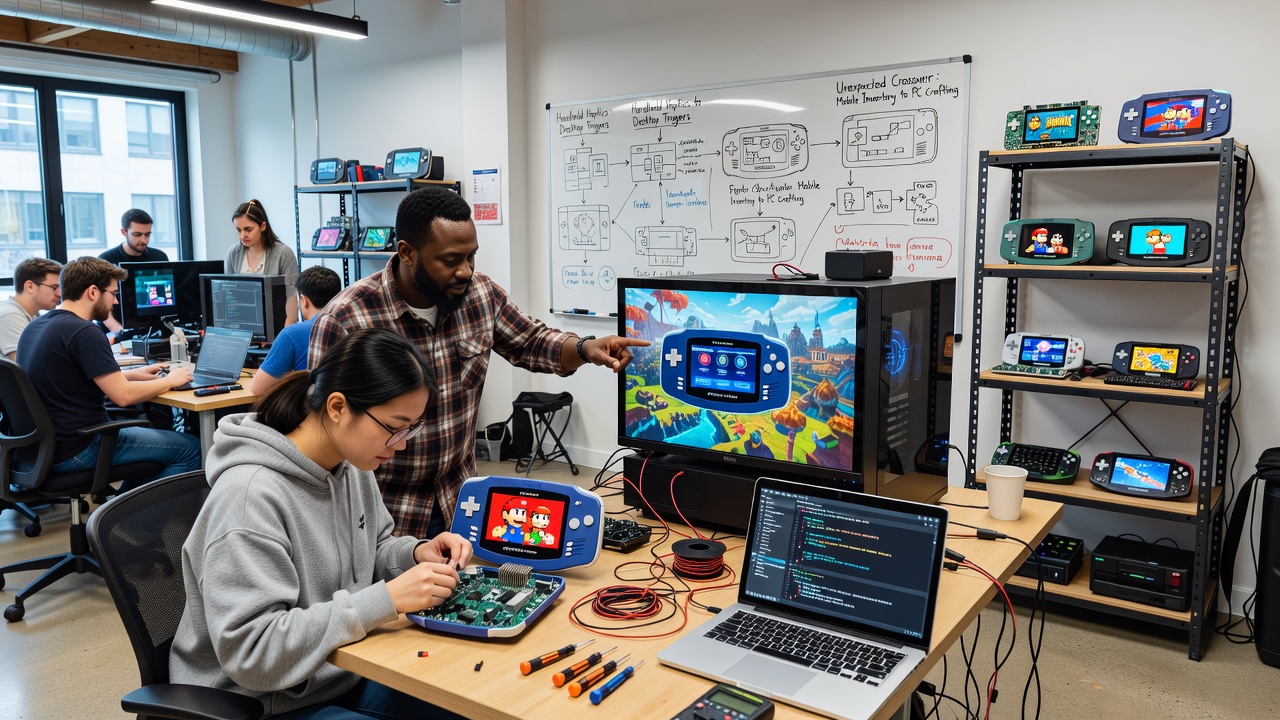
Discord servers and dedicated wikis function as clearinghouses where contributors post scripts annotated with platform compatibility notes. Automated testing bots run the same Lua or Python code against both handheld and desktop builds, flagging syntax issues before wider release. Figures from repository analytics indicate rising numbers of commits that reference multiple device targets within single pull requests. This infrastructure supports rapid iteration because contributors can verify behavior on one platform and expect parallel results on the other when interpreters match.
Academic papers on digital collaboration have examined how these networks distribute workload across time zones, with handheld specialists often refining scripts that desktop groups later expand. The process relies on consistent documentation standards that list required engine versions rather than device specifics, which keeps focus on the scripting layer itself.
Recent Developments Through Mid-2026
By June 2026 several open-source toolkits had incorporated detection routines that automatically adjust script parameters based on detected platform, further smoothing crossovers. Reports compiled by regional industry bodies show increased participation from developers in both Asia-Pacific and European markets who contribute to the same repositories. Engine updates released that year expanded Lua exposure in additional handheld titles, which in turn prompted desktop modders to adopt the same modules for consistency. These updates did not require new scripting languages, preserving the existing crossover pathways.
Conclusion
Shared scripting languages continue to underpin community-driven modding ecosystems that connect handheld and desktop modifications. Repository data, engine documentation, and observed project transfers demonstrate how compatibility at the code level enables direct reuse of functions across device categories. Community infrastructure sustains these connections through testing automation and shared documentation, while recent engine releases have maintained the conditions that allow such crossovers to persist.