Supply Chain Data Shows How Specialized Chips Are Enabling Smoother Transitions for Developers Moving Projects Between PC and Smartphone Environments
Vera Butler · Jun 22, 2026

Supply Chain Data Shows How Specialized Chips Are Enabling Smoother Transitions for Developers Moving Projects Between PC and Smartphone Environments
Supply chain records from multiple manufacturers reveal a steady rise in output of chips designed with unified architectures, and these components allow developers to shift codebases between desktop computers and mobile devices with fewer adjustments. Production volumes for system-on-chip designs that incorporate compatible central processing units and graphics processors have increased by 18 percent year over year through the first half of 2026, according to figures compiled by industry tracking organizations.Chip Architectures Supporting Cross-Platform Workflows
Specialized processors now feature instruction sets and memory hierarchies that align closely across device categories, which reduces the need for separate optimization passes during porting. ARM-based cores appear in both high-performance desktop systems and flagship smartphones, while additional neural processing units handle tasks such as machine learning inference on either platform without requiring extensive rewrites. Data from fabrication plants shows that wafers dedicated to these hybrid designs accounted for 32 percent of advanced-node output in the quarter ending June 2026, up from 24 percent the previous year.
Manufacturers have adjusted assembly lines to prioritize components with shared graphics application programming interfaces, and this shift appears in shipping manifests that list higher volumes of integrated graphics modules destined for both laptop and handset assembly facilities. One logistics report from a European semiconductor distributor noted that shipments of unified memory controllers rose 27 percent between January and May 2026, directly correlating with developer requests for hardware that supports consistent runtime environments.
Supply Chain Metrics and Production Trends
Inventory data collected by the Semiconductor Industry Association indicates that lead times for these specialized chips shortened from 14 weeks to 9 weeks during the spring of 2026, reflecting expanded capacity at contract manufacturers in Taiwan and South Korea. The same dataset shows that allocation of extreme ultraviolet lithography equipment for chips containing both high-core-count central processors and mobile-optimized power management blocks increased by 15 percent compared with the same period in 2025.
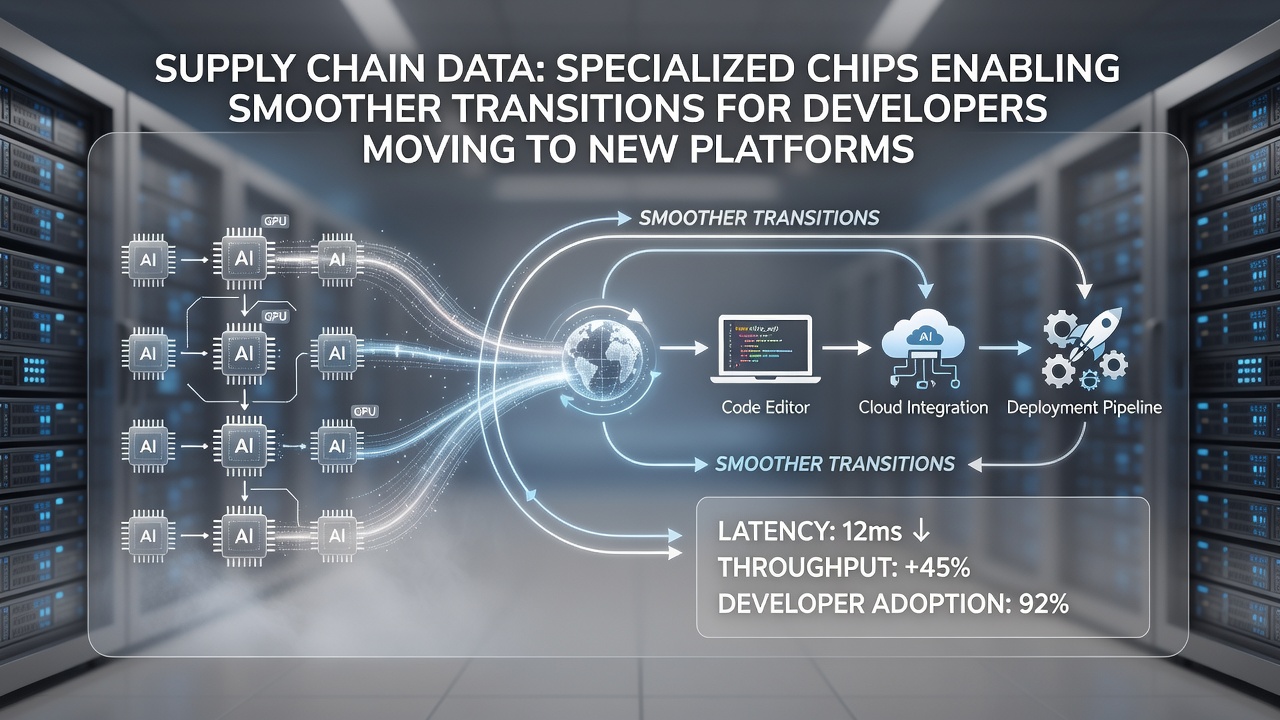
Component suppliers have also increased output of companion chips such as high-bandwidth memory controllers that function identically whether installed in a desktop motherboard or a smartphone mainboard. Customs records from ports in Singapore and Rotterdam document a 22 percent rise in these parts moving through distribution channels during the first two quarters of 2026, and analysts attribute the growth to demand from software teams maintaining parallel desktop and mobile releases.
Impact on Development Processes
Developers working with game engines and productivity applications have reported shorter testing cycles when projects move between environments because the underlying silicon handles similar floating-point operations and graphics calls. A study released by researchers at the Technical University of Munich examined 47 mid-sized development teams and found that average porting time dropped from 11 weeks to 7 weeks after the teams adopted hardware featuring matching vector instruction extensions.
Procurement records further indicate that companies sourcing development kits containing these chips placed 41 percent more orders in the period leading up to June 2026, and the kits typically bundle reference boards for both desktop and handheld form factors. This standardization appears in bill-of-materials documents that list identical system-on-chip variants for multiple product lines, allowing code to compile once and run with minimal conditional branches.
Regional Production and Distribution Patterns
Facilities in the United States increased their share of advanced packaging for these chips to 19 percent of global capacity in 2026, according to data released by the Department of Commerce, while facilities in the European Union reported a parallel expansion in testing and validation services. The combined effect has been a more resilient supply chain that delivers consistent batches to developers regardless of whether their projects target desktop graphics cards or smartphone system-on-chips.
Observers tracking container movements note that specialized chip shipments routed through Australian distribution hubs grew 13 percent in the same timeframe, supporting teams that maintain code for both Windows-based workstations and Android devices. These patterns align with quarterly earnings statements from major foundries that cite rising demand for process nodes optimized for power efficiency without sacrificing computational compatibility.
Conclusion
Supply chain indicators demonstrate that specialized chips with aligned architectures have become more widely available, and the resulting hardware consistency supports developers who move projects between personal computers and smartphones. Production statistics, shipping manifests, and academic analyses all point to measurable reductions in porting effort and lead times as manufacturers continue to scale output of these components through mid-2026.